Bringing History to Life in Georgia Schools


 RSS Feed
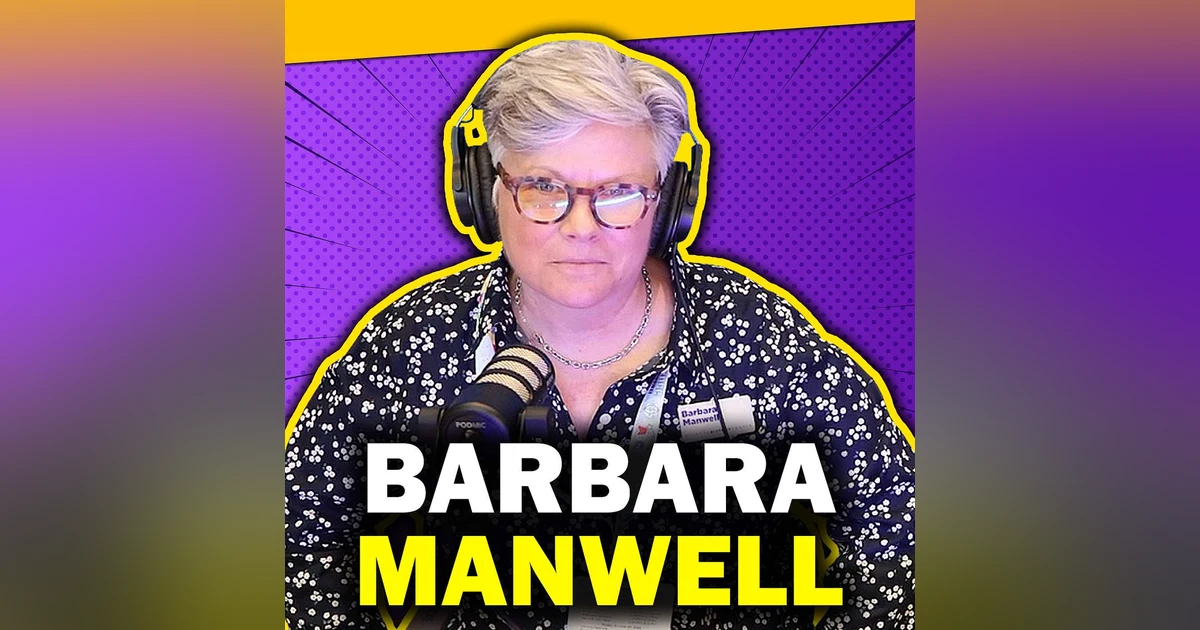
Join us for a conversation with Barbara Manwell, a former high school social studies teacher who now leads education programs at the Atlanta History Center. Barbara shares her journey from the classroom to the museum world, where she crafts educational experiences that make Georgia's rich history accessible to students of all ages. Learn how Barbara's work is breaking barriers in education through grant opportunities and virtual resources for Title I schools, and discover the creative initiatives she champions, such as traveling trunks filled with real artifacts to bring history directly to schools.
0:04 This Spotlight for Success is our way of highlighting the incredible success stories happening in education right here in our home state of Georgia. Today, we're thrilled to be joined by Barbara Manuel, Manwell has made a significant impact in the field of social studies, education throughout her career and now with her work at the Atlanta History Center. We'll explore her journey, insights and the positive changes she's creating for students and teachers. So let's get started. Barbara, can you tell us a little bit about yourself? Sure, I was a classroom teacher for 22 years, taught high school, all grade levels, 9 through 12, pretty much every subject that is entailed in social studies, I think over my career and all levels of students.
0:48 It was a very enjoyable time that I spent in the classroom and then a couple years ago I just sort of had an itch to try something different and to take my education experience and put it into a different realm, and I was very fortunate to land at Atlanta History Center where I'm now their manager of education programs What are the most rewarding parts of your work there at the Atlanta History Center? I have lots of rewarding parts of my work and I really love my job. One of the great things was that I, many years ago, went to training a professional development at Atlanta History Center. I loved it so much and I thought, wow, someday I would love to be able to do museum education.
1:31 And then now, all these years later, I'm back at the very place that inspired me for that, and so it's exciting for me to be able to be there and engage in the work that they do. So the most exciting part of my job and the most rewarding part of my job is supervising my education facilitators, who deliver tours to schools every day. So we have a wide variety of kids that come in all the way from kindergarten up through really 11th graders who come for in-person tours, guided tour experiences. For me that's rewarding because my career was always focused so much on just high school and this job has allowed me to expand that palette a little bit and come up with engaging and exciting experiences for younger kids as well.
2:15 So that's part of the work that I do, but I also get to create new lesson plans and resources that are available for teachers for free. They can get on our website, and I also even get to write new tours. So, for example, this year we are offering a new tour in our Olympics exhibit that aligns specifically with the eighth grade GSEs, and so that was really fun to write that and to see it in action with kids. It was pretty rewarding to see your work come full circle. That is amazing. That's a really big program that you're offering there at the Atlantis History Center. I wanted to know do you have any challenges associated with that work that have helped shape your role?
2:56 Well, yeah, because you know, teachers have challenges, and so one of the things that we need to do is to find ways to overcome barriers that schools have to get to us or to use our resources. So we have grant money that we use to help Title I schools come to our history center for tours, and Title I schools can come to us for free, which is pretty exciting, but there's also transportation barriers and trying to work on ways to overcome that for schools. But there's also other ways that we look to overcome those barriers, and that's offering virtual options for teachers so it's easier for them to engage with us, and we also even have traveling trunks that we can essentially send the museum to teachers so that they can engage with real artifacts and have the kids touch and feel things, and we send lesson plans with all that and everything.
3:46 So really, I think the biggest challenges we have is finding ways to make it easier for teachers to utilize the resources that we have. Gosh, that's amazing work you're doing there. Now you're here at the GCSS conference. Yes, what do you love about this conference? Why are you here? So one of the things that I love about the GCSS and even as a teacher that I loved about the GCSS is that one of the number one things teachers say all the time is that they need more professional development, and it's hard for schools to find that time to carve out within a school day or within a school week for teachers to engage in professional development. Something like GCSS is like a full day and a half of nonstop PD where teachers have a wide variety of things to choose from that they think are going to help them the most.
4:31 So they get to choose the things that they think are going to help them the most, and I think that's really great. It's also just a fantastic networking opportunity for teachers to engage with institutions like us, but also with each other. Oh, that's wonderful. Are you involved in any of the presentations or any special activities going on here at GCSS? Yes, so this year I'm presenting Wonderful. I'm presenting tomorrow morning and talking about how teachers can create little mini exhibitions within their classrooms so that students can create exhibitions. They can use that either in a formative or a summative way to just help engage kids a little bit more than just a traditional essay or reflection. Gosh, that is wonderful. Well, thank you so much for your time today, barbara, and really appreciate your time here at GCSS, and we look forward to finding ways to work together in the future.
5:20 My pleasure, thank you.


